
Release Authorization

Temperature-Controlled Operations

Product integrity is protected before movement begins.

Temperature is only one control point. Release confidence also depends on product identity, traceability, documentation, inspection, readiness, and chain of custody before execution continues.

Before Release

No release without defensible evidence.

Every shipment must answer six executive questions before movement is authorized. Each gate is supported by operating evidence, not assumption.

The Jichasa Release Framework

Every shipment moves through three operational layers before release is authorized.

Layer 01 / Decision Framework

A release review built as a decision ledger.

The operating team reviews each gate with the evidence visible beside it.

  1. 01

    Does the product meet every quality requirement?

    Specification, identity, packaging condition, COA, and release documentation are confirmed.
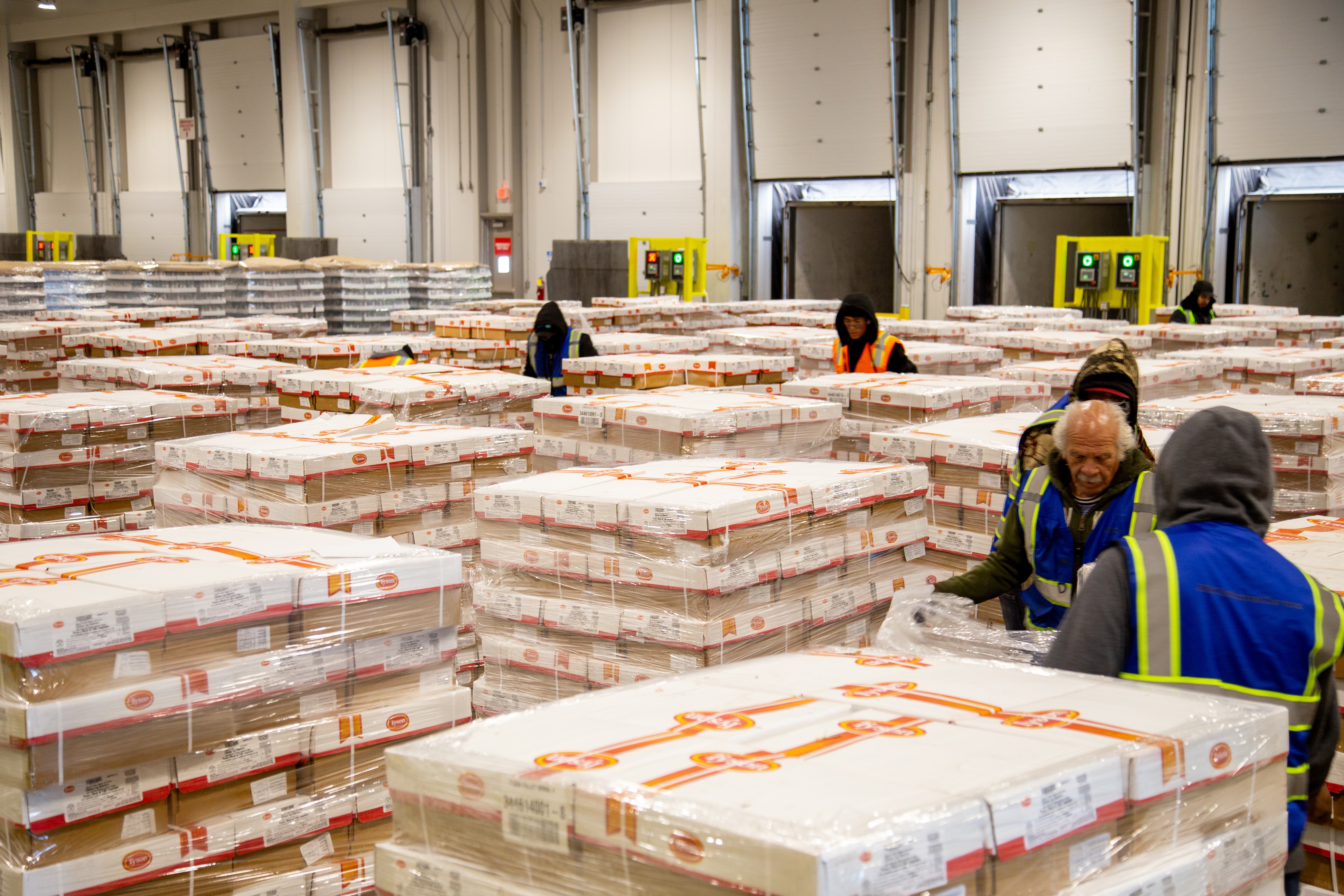
    Palletized refrigerated product staged across a controlled dock operation.
  2. 02

    Has cold-chain integrity been preserved?

    Storage condition, temperature discipline, handling exposure, and evidence remain controlled.
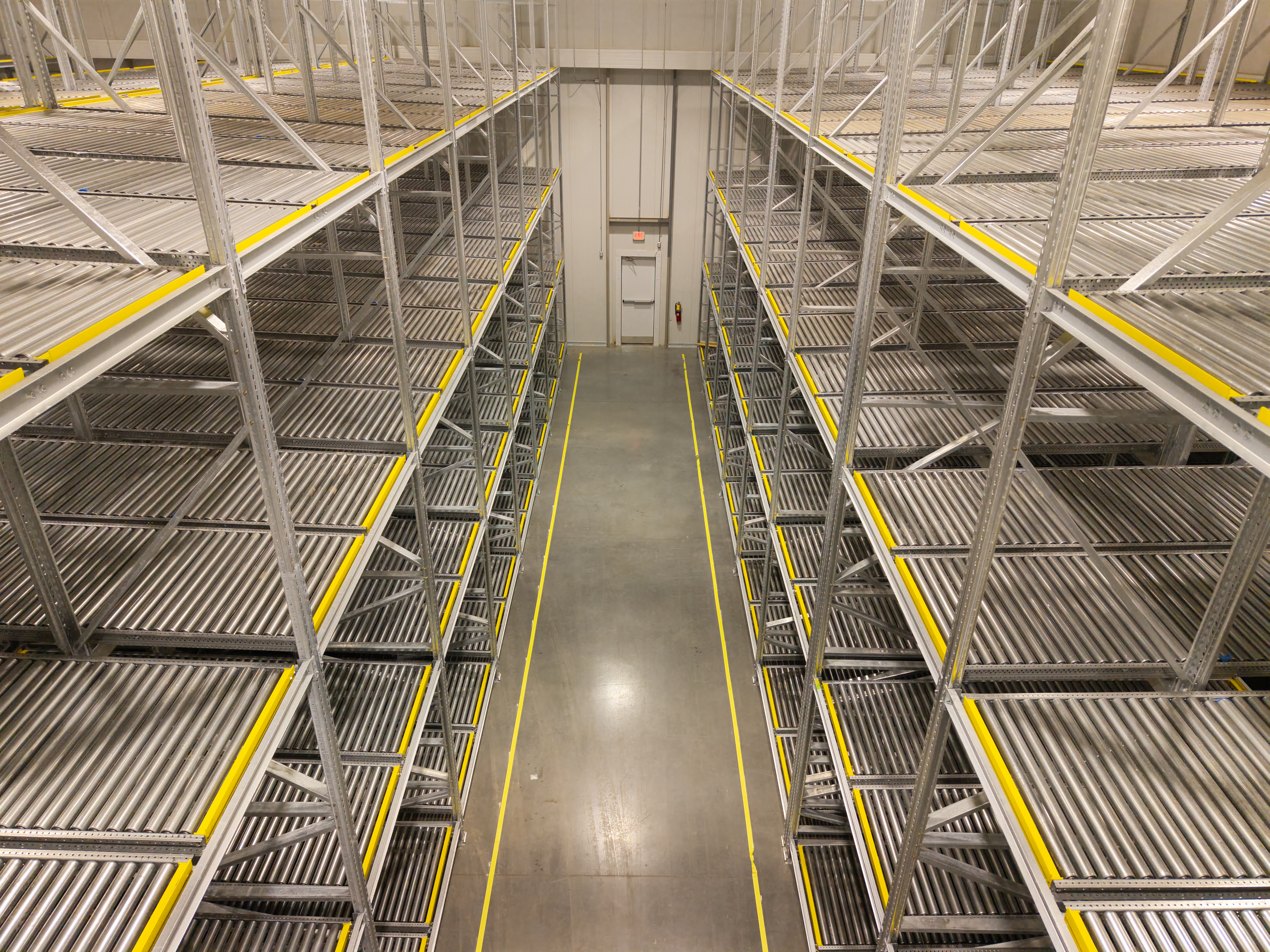
    High-bay cold storage rack system with organized lanes and controlled infrastructure.
  3. 03

    Is the transport environment ready?

    Trailer condition, cleanliness, odor, structure, and loading suitability are verified before handoff.
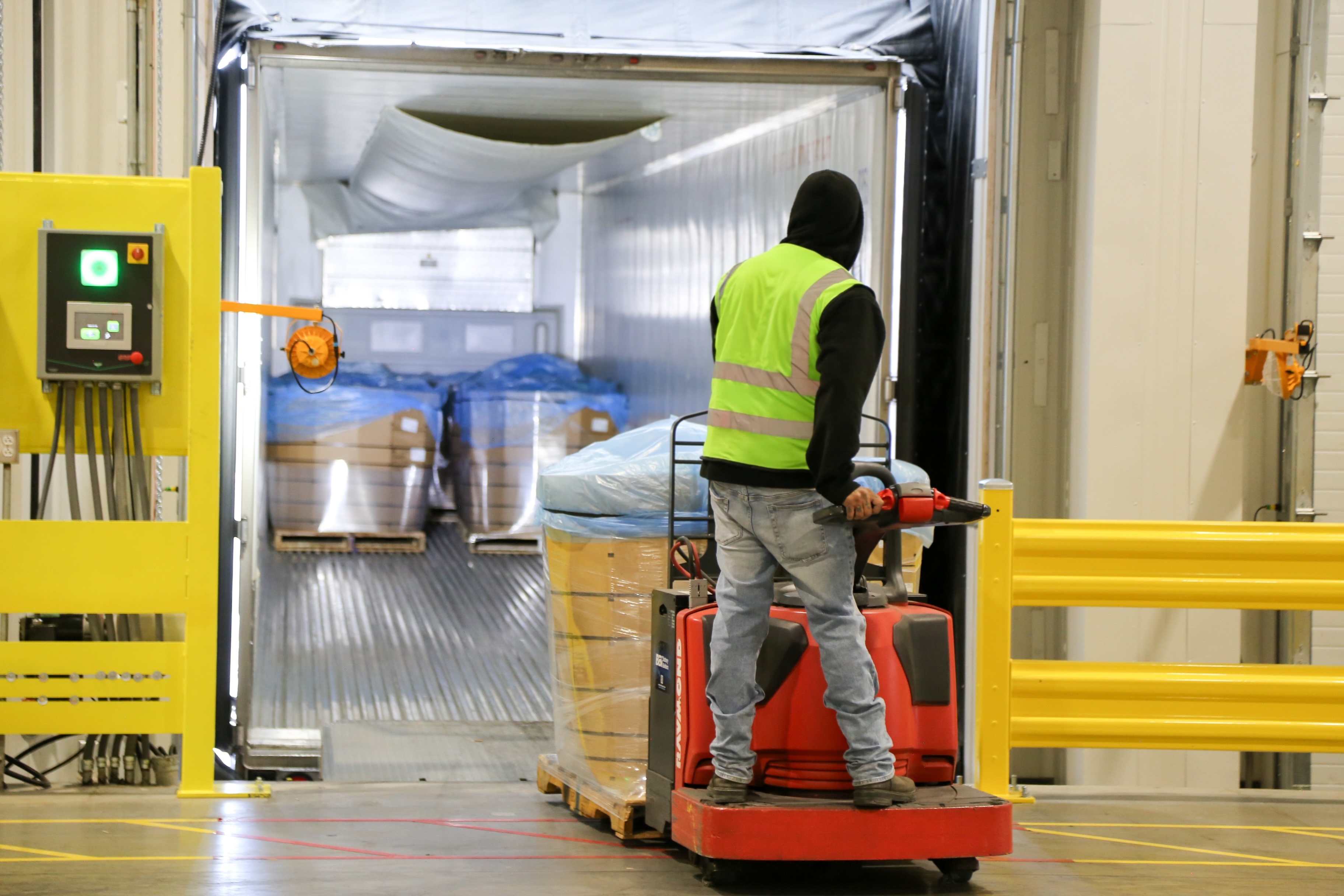
    Operator moving palletized refrigerated product into a trailer at a controlled dock.
  4. 04

    Are all regulatory requirements complete?

    Required records, permits, health certificates, and customs documentation are ready before release.
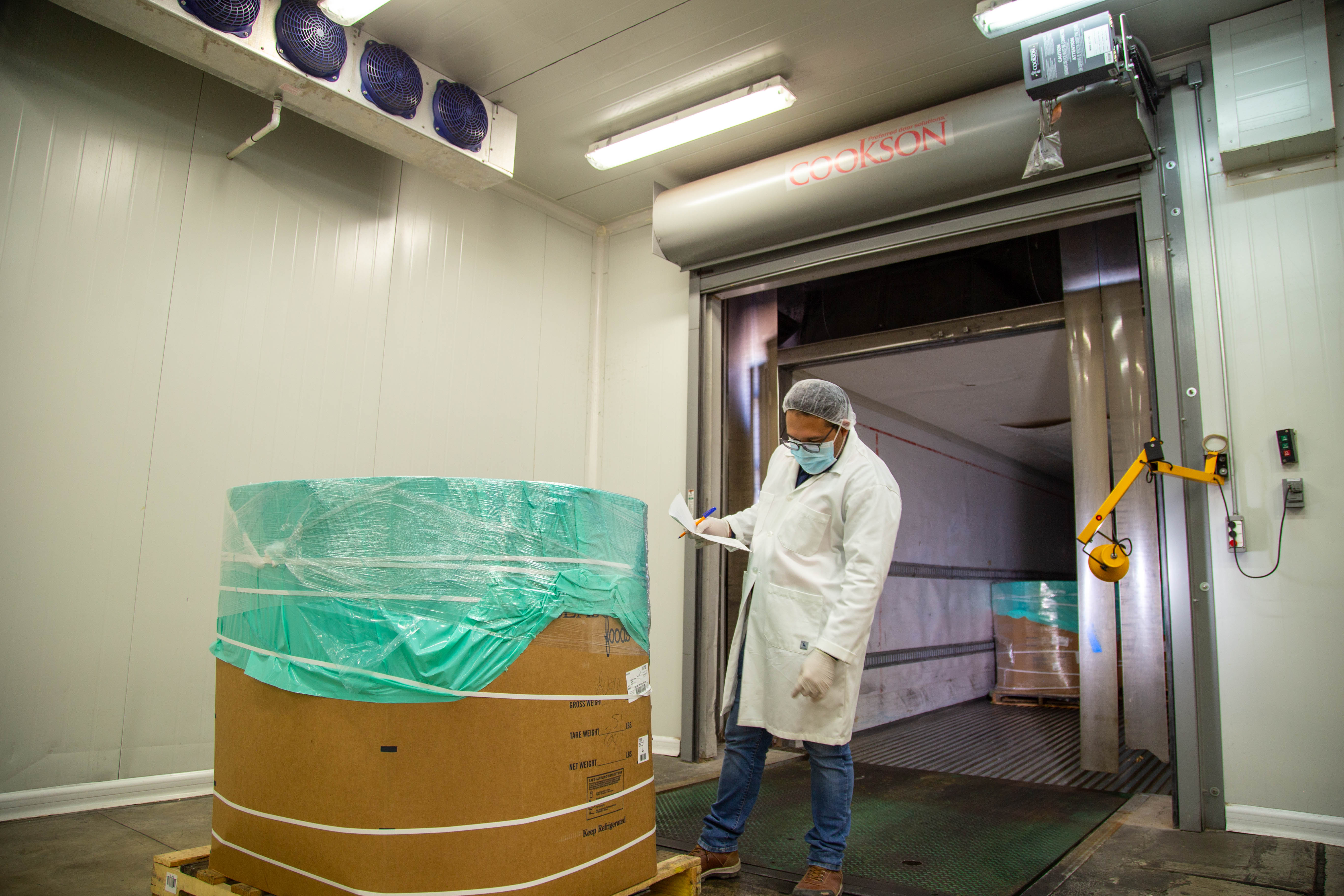
    Inspector reviewing release documentation beside refrigerated product and dock equipment.
  5. 05

    Can the shipment arrive exactly as committed?

    Inventory, carrier coordination, delivery window, appointment, and dispatch sequence are aligned.
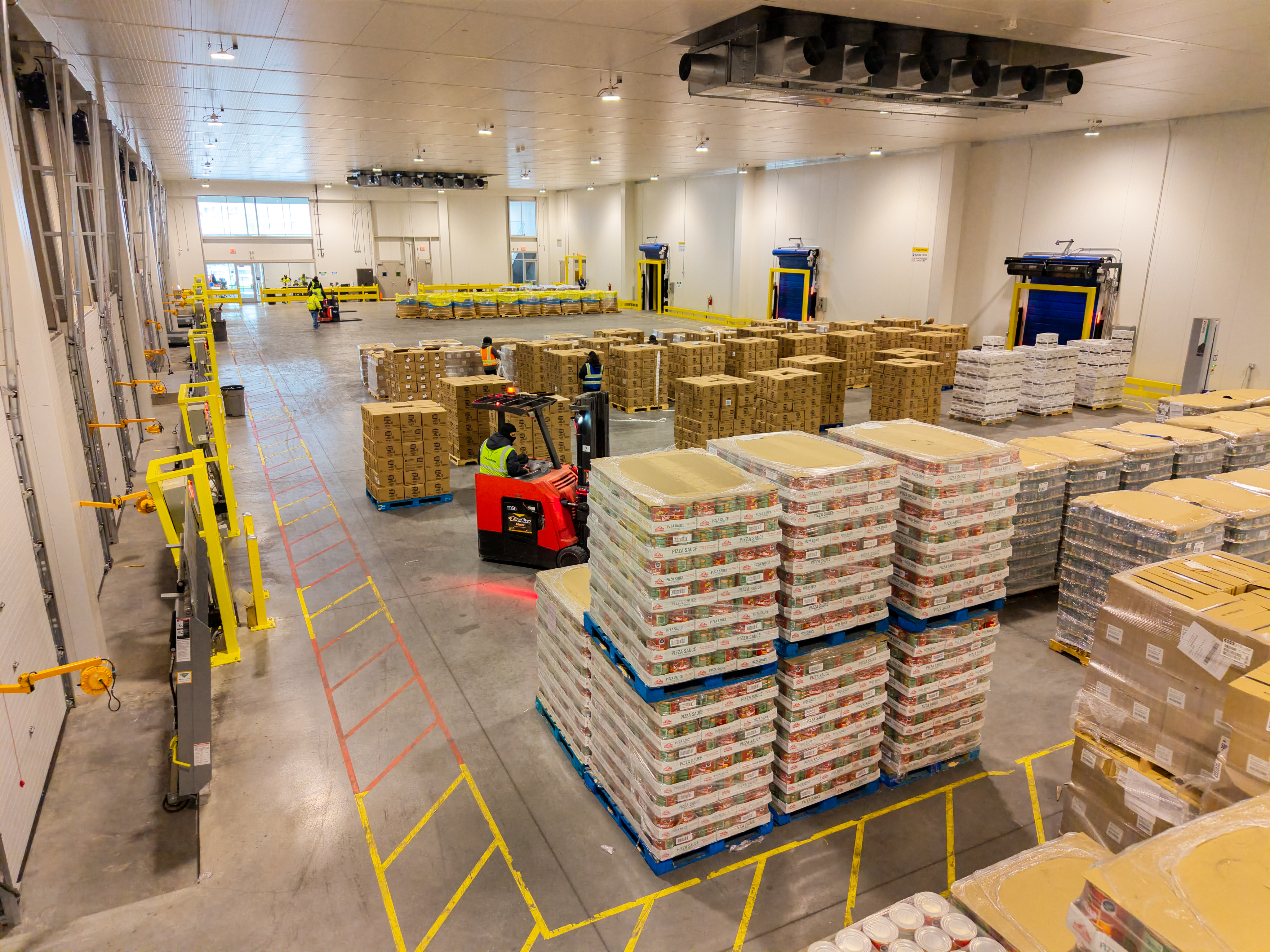
    Large refrigerated warehouse operation with staged inventory, dock doors, and active movement.
  6. 06

    Can every release decision be defended?

    Chain of custody, traceability, authorization, and archived evidence make the decision accountable.
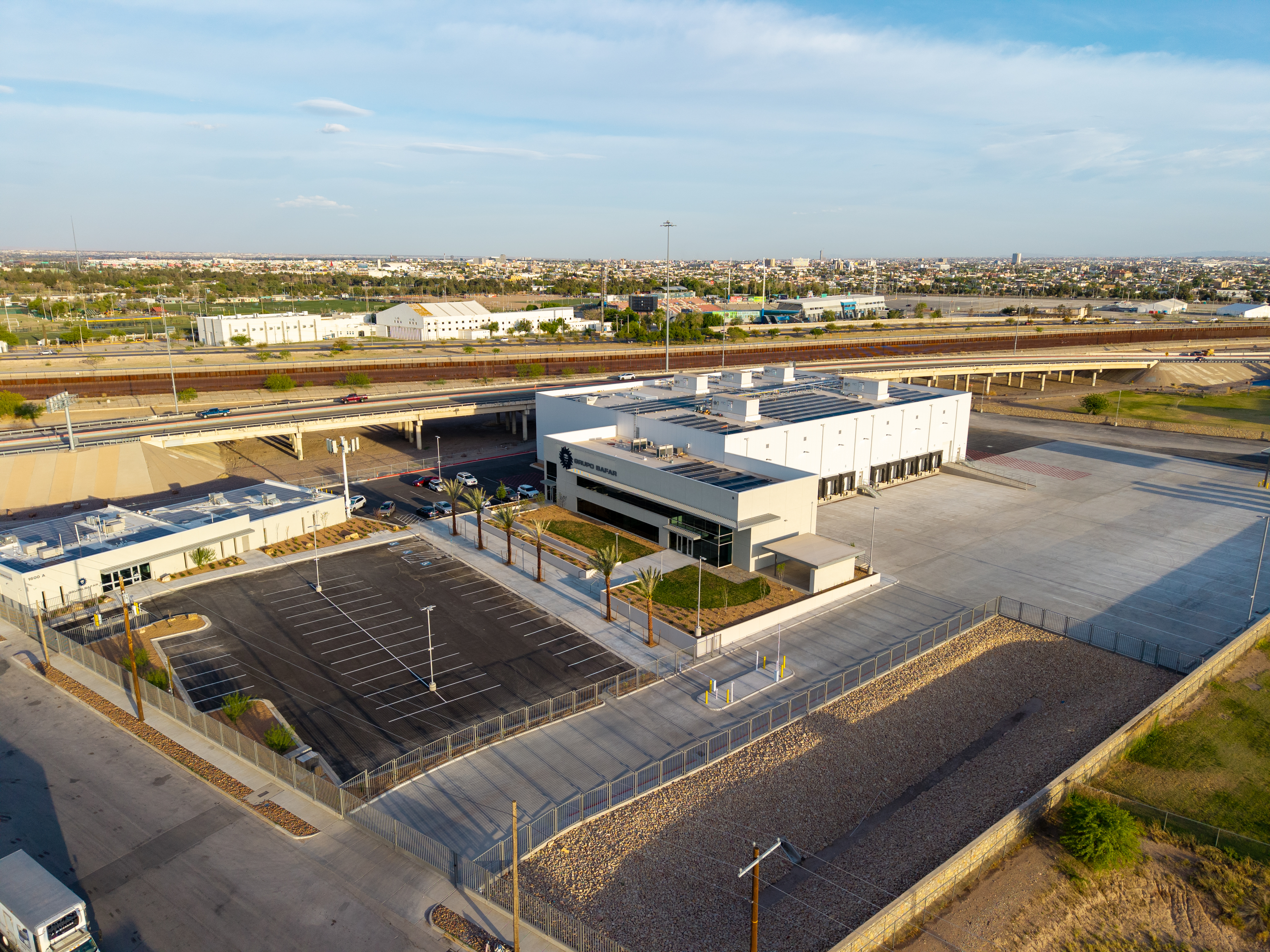
    Aerial view of refrigerated facility and operating campus.

Layer 02 / Operational Execution

Release moves through a controlled operating sequence.

Each handoff advances only when the prior condition is visible, verified, and ready.

  1. 01

    Receiving

    Product enters the operation with identity, condition, and custody established.

  2. 02

    Product inspection

    Quality, packaging, and release condition are reviewed before movement continues.

  3. 03

    Temperature-controlled storage

    Product is held under controlled conditions with inventory position visible.

  4. 04

    Documentation & compliance

    COAs, certificates, permits, and customer records are prepared before release.

  5. 05

    Trailer preparation

    Suitability, cleanliness, odor, structure, and loading condition are verified.

  6. 06

    Authorization, loading & dispatch

    Final release is recorded, product is loaded, and dispatch proceeds with accountability.

Palletized refrigerated product staged across a controlled dock operation.
Receiving and staging
Inspector reviewing release documentation beside refrigerated product and dock equipment.
Inspection and records
High-bay cold storage rack system with organized lanes and controlled infrastructure.
Controlled storage
Operator moving palletized refrigerated product into a trailer at a controlled dock.
Loading and dispatch

Layer 03 / Evidence & Traceability

The release decision leaves an evidence record.

Execution generates proof that can be reviewed after the shipment moves.

Release record Evidence file complete
Traceability preserved Reviewable after movement
  1. 01

    Product identity

    Lot, SKU, pallet, and customer references stay connected to the release.

  2. 02

    Temperature records

    Storage and handling evidence confirms condition control.

  3. 03

    Inspection evidence

    Quality checks, packaging condition, and trailer readiness are documented.

  4. 04

    Documentation file

    COAs, certificates, customs records, and release documents remain reviewable.

  5. 05

    Chain of custody

    Handoffs, ownership, timing, and exceptions can be reconstructed.

  6. 06

    Release authorization

    The decision to move is recorded with the evidence that supported it.

Business Protection

Operational discipline protects what the business has already committed.

Temperature-sensitive execution protects more than product condition. It protects customer trust, commercial timing, regulatory standing, and the confidence leaders need before product moves.

Protected outcome Executive value
  1. 01 Customer Commitments

    Delivery promises are protected because release conditions are verified before movement.

  2. 02 Brand Reputation

    Product quality, handling discipline, and defensible records protect customer confidence.

  3. 03 Product Integrity

    Identity, condition, custody, and documentation remain connected through the operation.

  4. 04 Regulatory Confidence

    Required records, permits, certificates, and release evidence remain ready for review.

  5. 05 Commercial Continuity

    Operational readiness protects availability, timing, and the commitments tied to growth.

  6. 06 Executive Confidence

    Leaders can move forward because the decision is supported by visible operating proof.

Confidence is created before movement begins.

Every condition is verified. Every handoff is accountable. Every decision can be defended.

Plan a Temperature-Controlled Operation